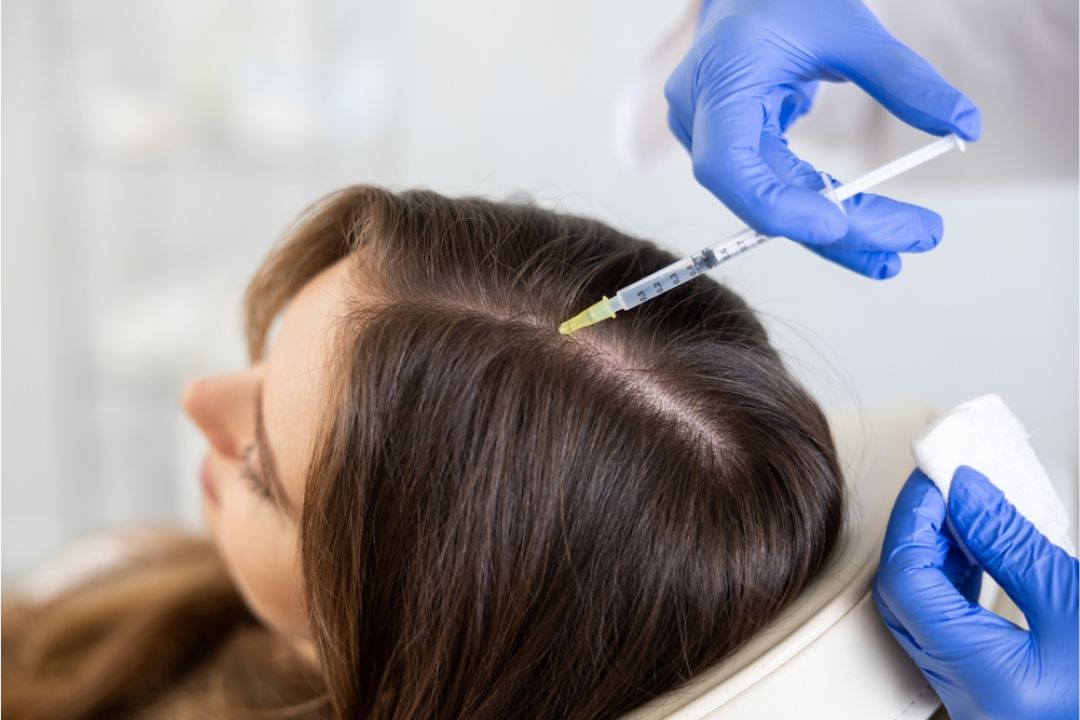
Platelet-Rich Plasma (PRP) treatment represents one of the most successful advancements in hair restoration therapy. In 2025 PRP stands as an effective minimally invasive solution for treating hair loss. This blog explores the widespread adoption of PRP for treating hair loss and its ability to activate hair follicles which leads to natural hair regeneration.
What is PRP and How Does it Work?
Platelet-Rich Plasma (PRP) therapy uses a dense concentration of platelets from your personal blood plasma. Platelets necessary for blood clotting and tissue repair carry growth factors which are key to revitalizing hair and stimulating hair growth.
PRP contains 3-5 times more platelets than regular blood and also includes important proteins like PDGF, TGF, and VEGF that help promote hair and tissue growth.
The growth factors present in PRP activate hair follicles which makes this treatment practical for people suffering from androgenetic alopecia or various hair loss conditions.
Why PRP is an Effective Solution for Hair Loss?
Stimulates Hair Follicles
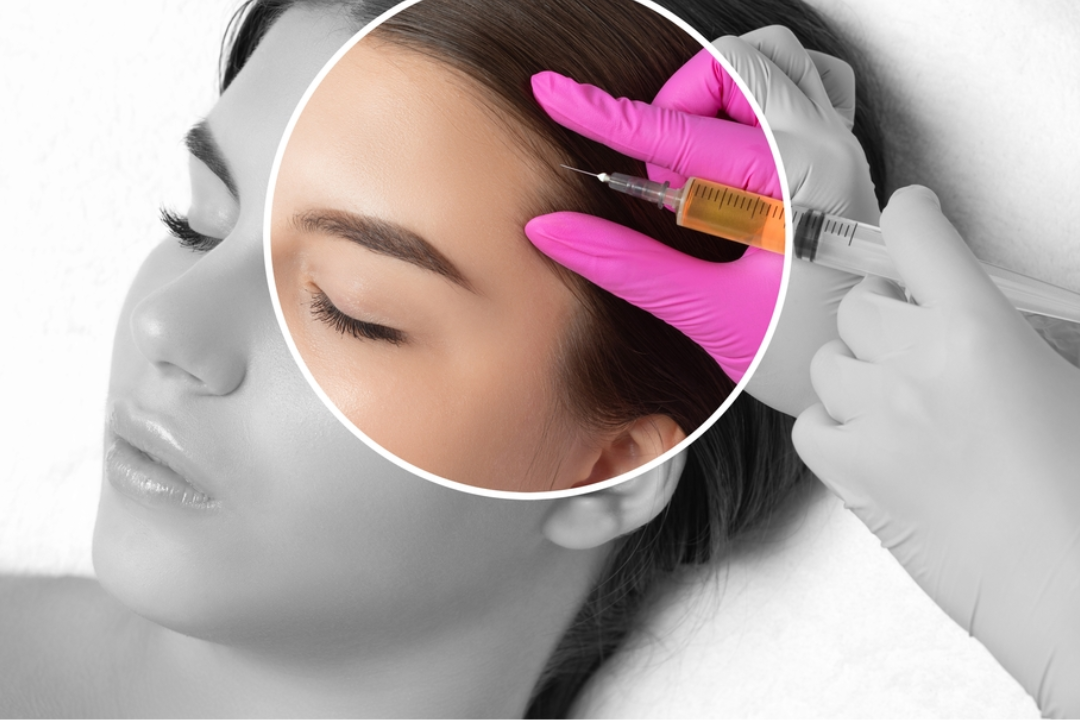
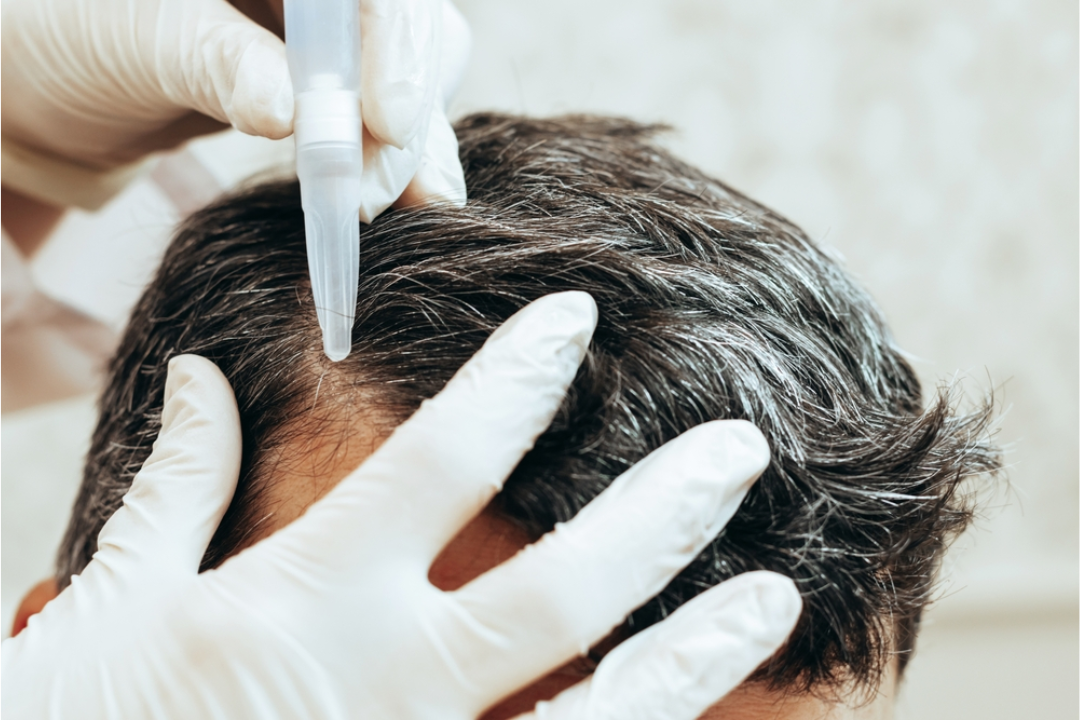
The PRP therapy procedure consists of directly injecting platelet-rich plasma into the scalp where it needs to be applied. The growth factors found in PRP activate hair follicles which results in increased hair growth and enhanced hair density.
The procedure activates inactive hair follicles and generates both thicker and healthier hair growth.
Minimally Invasive and Safe
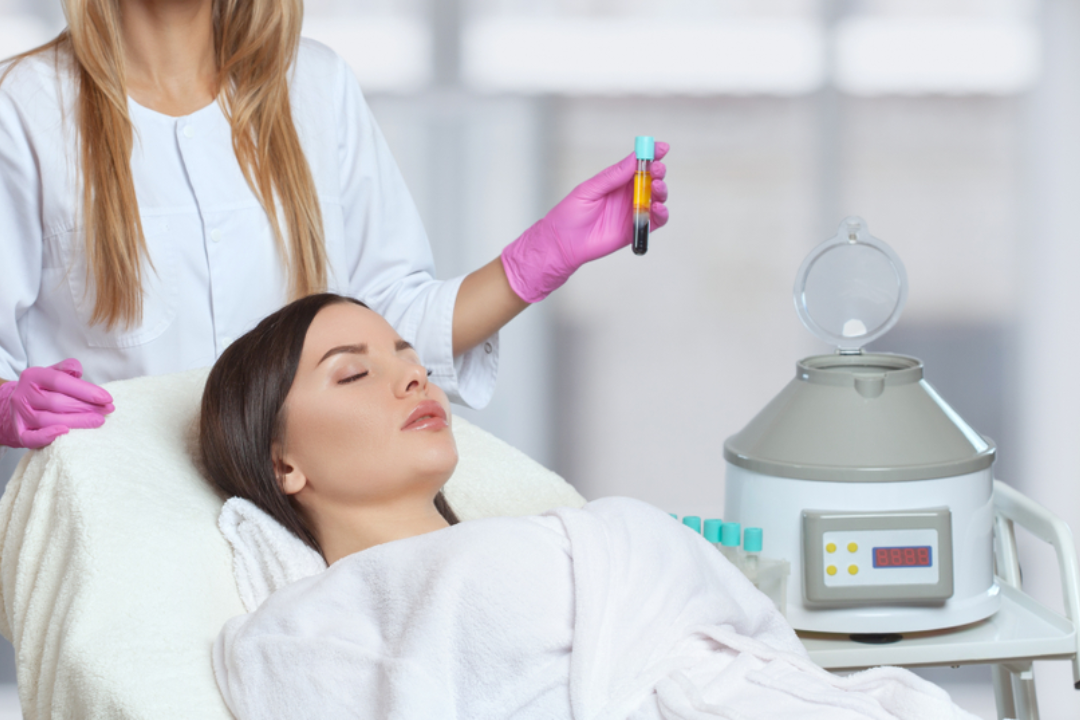
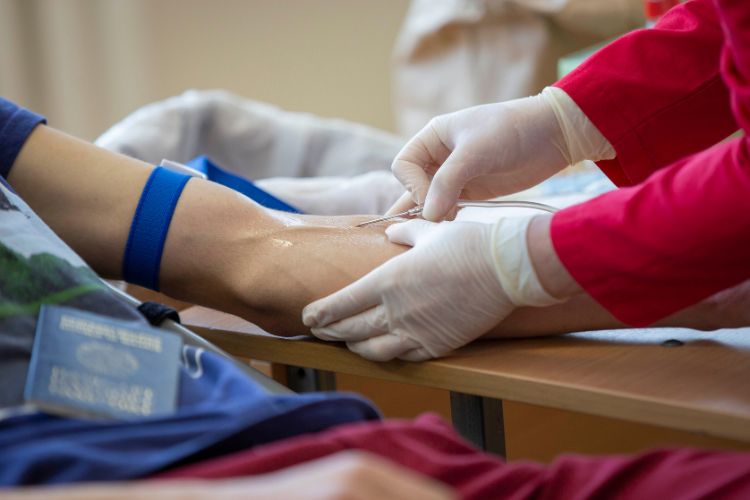
PRP stands out as a minimally invasive procedure compared to hair transplants which require surgery. The procedure begins by collecting a small blood sample. The blood is then processed to concentrate the platelets, which are injected into the scalp.
The procedure demonstrates that PRP injections provide patients with a convenient solution that produces few complications and requires minimal recovery time. PRP therapy becomes an attractive selection for numerous patients because it uses your own blood which eliminates any risk for allergic responses.
Effective for Early Stage Hair Loss
The best results from PRP treatment occur when it’s applied during the initial phases of hair loss. Active and regenerative hair follicles respond to PRP by reversing hair thinning and boosting hair growth. Patients with androgenetic alopecia or initial hair loss symptoms may achieve natural hair restoration through PRP treatment.
How PRP Treatment Works for Hair Restoration
Patients needing PRP treatment for hair loss receive multiple PRP injections over time. The patient’s blood undergoes centrifuge processing which results in platelet-rich plasma separation.
Medical professionals administer the concentrated plasma directly into the scalp’s most affected thinning areas. Growth factors within PRP activate hair follicles to switch into a vigorous growth mode which creates thicker and healthier hair with time.
The treatment promotes new hair growth and reinforces the strength of existing hair which leads to diminished hair loss and thinning effects. PRP acts as a non-surgical option for people who prefer to avoid hair transplant surgery by delivering natural-looking results.
PRP injections stimulate hair follicles while simultaneously increasing scalp blood flow which nourishes hair follicles to improve general hair health. PRP delivers essential growth factors straight to problem areas which leads to improved hair growth and slows down hair loss.
This treatment can regenerate hair follicles and simultaneously stimulates the growth of new and stronger hair. PRP therapy is ideal for those with early-stage androgenetic alopecia or thinning hair. It helps restore hair volume and density without the need for surgery, offering a minimally invasive alternative to hair transplants.
Benefits of PRP for Hair Loss Treatment
Natural Results
The natural appearance of PRP treatment results is due to its use of your own blood cells. This treatment enhances your body’s natural healing abilities to produce healthier hair and greater volume without synthetic materials.
No Allergic Reactions
PRP treatment avoids allergic reaction because it utilizes your personal plasma unlike some treatments or medications. Most people tolerate this treatment well while maintaining a high level of safety.
No Downtime
The PRP treatment process offers rapid completion while causing minimal discomfort and requires little recovery time. Immediately following the treatment most patients are able to return to their regular routines.
Long-lasting Results
Regular treatments along with PRP lead to durable hair restoration. The plasma’s growth factors maintain their stimulatory effect on hair follicles which leads to continuous hair growth.
Who Can Benefit from PRP Therapy?
PRP therapy effectively treats various hair loss conditions such as androgenetic alopecia and thinning hair across different individuals. People who are just beginning to experience hair loss find PRP therapy very helpful because it activates hair follicles and stops more thinning from happening.
Patients who prefer to avoid hair transplant surgery or patients who find limited success with traditional hair loss treatments should consider PRP therapy. People who suffer from hair thinning because of stress or hormonal shifts along with different scalp health issues can get advantages from PRP treatment.
PRP revitalizes hair follicles and enhances nutrient delivery to the scalp to encourage natural hair growth while fortifying existing hair strands. PRP treatment offers people a minimally invasive hair restoration method that eliminates the need for hair transplant surgeries.
How Long Does PRP Treatment Take and What to Expect?
Each PRP treatment session requires between 30 to 60 minutes to complete. A small blood sample from the patient is initially drawn before processing it with a centrifuge to extract platelet-rich plasma from other blood elements.
The concentrated plasma undergoes injection directly into areas on the scalp that require treatment.
Precaution: The procedure does not require anesthesia but patients may feel minor discomfort at the injection site. Patients should adhere to their healthcare professional’s aftercare guidelines to reduce swelling and redness. Patients can return to their normal activities right away following treatment since there’s no substantial recovery needed.
PRP for Different Types of Hair Loss
Patients with androgenetic alopecia frequently use PRP but it provides benefits for other types of hair loss as well. Thinning hair resulting from nutritional deficiencies or medical conditions along with stress and hormonal hair loss fall under the types of hair loss that PRP can address.
PRP treatment demonstrates maximum effectiveness for early hair loss by stimulating follicles while stopping additional hair shedding. Patients who undergo PRP therapy for hair loss can combine treatments with minoxidil or hair transplants to achieve better outcomes and quicker healing.
Why Choose PRP Over Other Hair Loss Treatments?
Among the many hair loss treatment options PRP therapy distinguishes itself because of its natural method and sustained results.Over-the-counter medications and shampoos only offer temporary relief for hair loss. PRP therapy works by activating hair follicles, leading to natural hair growth.
Although hair transplants deliver results they involve greater surgical intervention and demand extended healing periods. PRP represents a minimally invasive treatment option which delivers visible results without surgical intervention.
The use of your own blood in PRP injections eliminates the possibility of allergic reactions or adverse side effects which chemical-based treatments can produce.
Conclusion
The year 2025 marks PRP treatment as the top choice for hair restoration because it provides an effective and minimally invasive approach to treating hair loss. PRP injections serve as an effective treatment for androgenetic alopecia and thinning hair while also helping individuals achieve fuller hair volume.
Platelet Rich Plasma PRP therapy provides a safe, effective non-surgical hair restoration method which has gained widespread acceptance due to its proven effectiveness.
Ready to restore your hair’s natural volume? Dr. Sindhu’s Skin Clinic provides personalized PRP treatments to meet your hair restoration needs so visit the clinic today. We have a professional team dedicated to delivering secure treatments that produce effective and authentic outcomes. Book your consultation now!
FAQs
- When will hair loss stop after PRP?
Patients may observe hair loss symptoms decreasing within months after PRP treatment while noticeable hair regrowth appears between 3 to 6 months. - Is PRP treatment 100% effective?
PRP shows excellent effectiveness in numerous patients yet individual results differ depending on their specific condition and hair loss stage. - How long has PRP been used?
Medical professionals started using PRP therapy to treat hair loss during the early 2000s and it has become well-known in recent times because of its successful results. - Why is PRP controversial?
PRP treatment faces controversy because it costs a lot and produces inconsistent results without extensive clinical studies to prove its effectiveness for all types of hair loss.